The digital landscape is undergoing a seismic shift as Tencent's ambitious "All-Real Internet" initiative reaches a staggering 500 million users, solidifying China's position at the forefront of metaverse development. This milestone comes at a time when global tech giants are racing to establish dominance in what many consider the next evolution of the internet.
Tencent's achievement reflects more than just user numbers—it represents the successful integration of social platforms, gaming ecosystems, and digital payment infrastructure into a cohesive metaverse experience. Unlike Western counterparts that often approach the metaverse as a separate virtual world, Chinese companies have focused on blending digital and physical realities, creating what industry analysts describe as a "phygital" revolution.
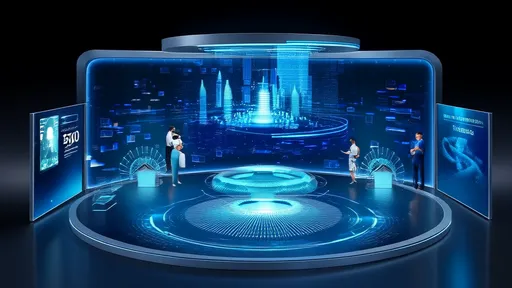
The All-Real Internet concept differs from traditional metaverse visions by emphasizing seamless connections between online and offline experiences. Through WeChat's mini-programs, QQ's social features, and Tencent's vast gaming portfolio, users transition effortlessly between digital and physical spaces. A morning video call might lead to an augmented reality shopping experience, followed by an afternoon virtual concert attended via avatar, all without leaving the ecosystem.
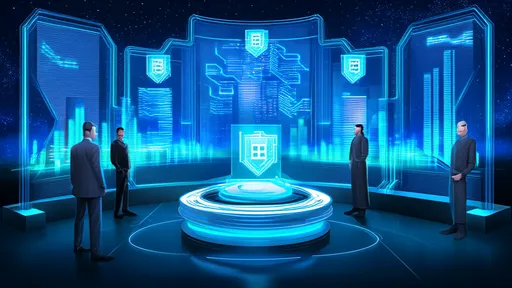
China's regulatory environment has played a crucial role in this development. While Western metaverse projects face public skepticism and regulatory uncertainty, Chinese tech firms have operated within a clear (if strict) digital framework. This has allowed for rapid iteration and scaling that would be difficult elsewhere. The government's "Digital China" strategy, emphasizing infrastructure and 5G deployment, created fertile ground for metaverse technologies to flourish.
Consumer behavior patterns in China have accelerated adoption in ways that surprise many Western observers. The population's comfort with mobile payments, live-streaming commerce, and social media integration created natural pathways into more immersive digital experiences. When Tencent introduced virtual goods and spaces within its existing platforms, millions transitioned smoothly rather than needing to adopt entirely new behaviors.
Industry experts note that China's metaverse ecosystem benefits from what they call the "super app advantage." Where global users might access separate platforms for messaging, payments, gaming, and shopping, Chinese consumers conduct all these activities within integrated ecosystems like WeChat. This consolidation reduces friction in adopting more advanced metaverse features as they're introduced.
The 500 million user mark represents more than just scale—it demonstrates the depth of engagement. Average daily usage times within Tencent's metaverse offerings now rival traditional social media consumption. Users aren't just creating avatars; they're building digital businesses, attending virtual classes, and forming relationships that blend online and offline interactions.
Monetization strategies in China's metaverse differ significantly from Western models. Rather than relying on VR hardware sales or NFT speculation, Tencent and competitors like ByteDance generate revenue through virtual goods, advertising integrations, and transaction fees. This approach has proven more sustainable during the current economic climate, avoiding the boom-bust cycles seen in some blockchain-based metaverse projects.
Looking ahead, Tencent plans to deepen its investment in key enabling technologies. Artificial intelligence plays an increasingly important role, with AI-generated content and intelligent NPCs making virtual spaces more dynamic. The company's substantial cloud computing resources ensure these experiences remain accessible even to users with mid-range devices—a crucial factor in achieving mass adoption.
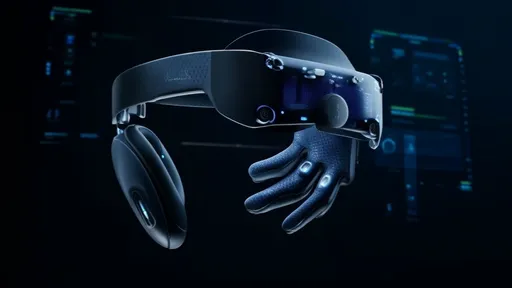
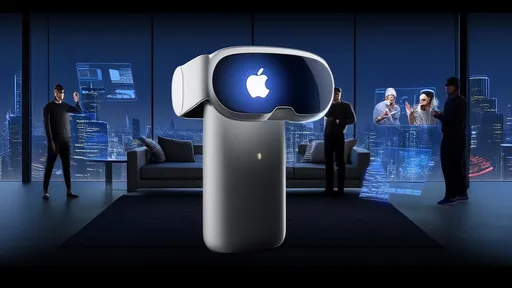
China's lead in metaverse development doesn't mean Western companies have fallen behind so much as they've chosen different paths. Where Meta emphasizes VR headsets and decentralized worlds, Chinese firms focus on mobile-first, socially integrated experiences. The coming years will test which approach ultimately proves more sustainable and appealing to global audiences.
For now, Tencent's user milestone serves as a powerful reminder of China's digital innovation capabilities. As the All-Real Internet continues evolving, it may well redefine how billions of people worldwide work, socialize, and experience the increasingly blurred boundaries between physical and digital realities.

By /Aug 14, 2025

By /Aug 14, 2025

By /Aug 14, 2025

By /Aug 14, 2025

By /Aug 14, 2025
By /Aug 14, 2025
By /Aug 14, 2025
By /Aug 14, 2025

By /Aug 14, 2025

By /Aug 14, 2025

By /Aug 14, 2025
By /Aug 14, 2025

By /Aug 14, 2025

By /Aug 14, 2025

By /Aug 14, 2025
By /Aug 14, 2025
By /Aug 14, 2025
By /Aug 14, 2025

By /Aug 14, 2025