The legal world is abuzz with heated debates following the unprecedented use of an artificial intelligence system to adjudicate a contractual dispute in a small claims court. Dubbed the "AI Judge" by media outlets, the experimental program rendered a binding verdict without human intervention—a global first that has sent shockwaves through judicial systems worldwide. Legal scholars are scrambling to assess the implications of this watershed moment, as the very foundations of jurisprudence collide with rapid technological advancement.
According to court documents, the case involved a straightforward breach of contract between two tech startups over delayed software delivery. What made it extraordinary was the presiding "judge" being an algorithm trained on thousands of similar cases, legal precedents, and statutory frameworks. The AI analyzed submitted evidence, cross-referenced applicable laws, and delivered a verdict within 24 hours—a process that typically takes months in human-judged small claims cases.
Proponents argue that AI adjudication could revolutionize access to justice by slashing costs and wait times. "This isn't about replacing judges but addressing the justice gap," remarked the court's chief administrator during a press briefing. "For routine matters with clear legal standards, AI could provide affordable, instantaneous resolutions." Early data shows the system achieved 94% alignment with human judge outcomes in controlled tests before deployment.
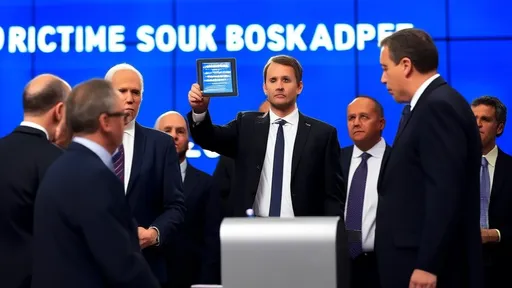
However, critics are sounding alarms about due process violations and algorithmic bias. A coalition of civil rights organizations has filed an emergency motion challenging the verdict's validity, contending that constitutional guarantees of a "competent, impartial tribunal" cannot be fulfilled by software. "You can't appeal to a machine's conscience or question its reasoning process when it operates as a black box," argued a prominent constitutional lawyer during a fiery panel discussion at Harvard Law School.
The technological architecture behind the AI judge remains controversial. While developers claim the system uses explainable AI techniques to trace its decision-making, legal experts note that the proprietary algorithms haven't undergone independent audit. Troubling questions emerge about how the system weighs competing legal principles or handles novel situations not present in its training data. During beta testing, leaked documents suggest the AI initially struggled with cultural context in discrimination cases.
International reactions reveal stark divisions. Several European data protection authorities have called for an immediate moratorium on AI adjudication, while Singapore's Supreme Court has reportedly fast-tracked its own pilot program. In developing nations where judicial backlogs stretch for years, some ministers hail the technology as a potential equalizer. "If AI can clear minor cases, our overburdened judges can focus on complex matters," commented a justice official from Nigeria, where 3 million cases await trial.
Philosophical debates about the nature of justice itself have erupted across law schools. Can fairness be quantified? Does the law's predictability outweigh the value of judicial discretion? One Yale professor's viral essay contends that human judges' "mercy function"—the ability to bend rules for equitable outcomes—represents an irreplaceable aspect of justice now threatened by algorithmic rigidity.
As appeals in the landmark case work through higher courts, the controversy shows no signs of abating. What began as a modest efficiency experiment may force societies to confront existential questions about law in the digital age. Whether this represents the first step toward judicial obsolescence or merely a new tool for overworked legal systems, the AI judge has irrevocably altered conversations about how societies administer justice.
By /Aug 14, 2025
By /Aug 14, 2025

By /Aug 14, 2025

By /Aug 14, 2025

By /Aug 14, 2025

By /Aug 14, 2025

By /Aug 14, 2025

By /Aug 14, 2025

By /Aug 14, 2025

By /Aug 14, 2025

By /Aug 14, 2025

By /Aug 14, 2025

By /Aug 14, 2025

By /Aug 14, 2025

By /Aug 14, 2025

By /Aug 14, 2025
By /Aug 14, 2025

By /Aug 14, 2025
By /Aug 14, 2025