In a significant move towards accelerating Europe's green transition, Finnish clean technology companies have emerged as major beneficiaries of the European Union's substantial funding initiatives. The Nordic nation, long recognized for its environmental innovation, is positioning itself at the forefront of the continent's sustainable transformation, with its specialized enterprises securing pivotal financial backing from Brussels.
The European Union has designated Finnish clean technology as a strategic priority within its broader green transition framework, channeling substantial resources through various funding mechanisms. This targeted support reflects both the proven capabilities of Finland's environmental sector and the urgent continental need for scalable clean solutions. Industry analysts observe that this financial injection arrives at a critical juncture, potentially accelerating commercial deployment of technologies that were previously confined to research institutions and pilot projects.
Strategic Allocation and National Advantages
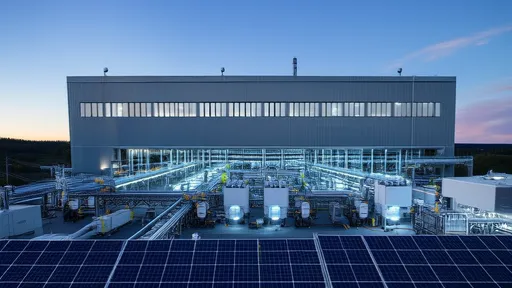
Finland's distinctive environmental conditions and longstanding commitment to sustainability have cultivated a unique ecosystem for clean technology development. The country's harsh climate has historically driven innovation in energy efficiency, while its extensive forest resources have spurred advancements in bio-based solutions. These natural factors, combined with consistent governmental support for research and development, have created fertile ground for technologies that now align perfectly with European green priorities.
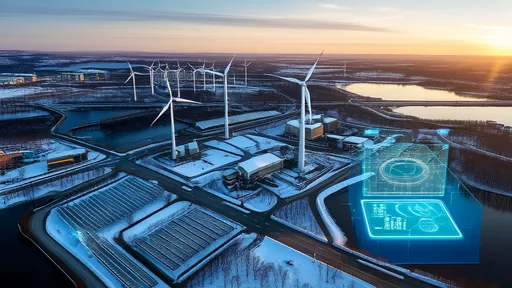
The funding distribution highlights specific technological domains where Finnish expertise demonstrates particular promise. Renewable energy systems, especially those leveraging Nordic conditions, have received substantial allocations. Similarly, circular economy solutions that minimize waste through sophisticated material recovery processes have attracted significant EU interest. This targeted approach suggests Brussels recognizes the value of supporting technologies adapted to specific regional conditions rather than pursuing a one-size-fits-all strategy.
Economic Transformation and Industrial Implications
Beyond environmental benefits, the EU's financial backing carries profound economic implications for Finland. The clean technology sector is rapidly evolving from a niche interest to a central pillar of the nation's industrial strategy. This transition mirrors broader European patterns where green industries are increasingly viewed as engines of job creation and economic resilience rather than merely environmental necessities.
Industry representatives report that the EU funding has already begun altering investment patterns within Finland's business landscape. Venture capital firms are showing renewed interest in clean technology startups, while established industrial corporations are accelerating their sustainability divisions. This financial vote of confidence appears to be triggering a virtuous cycle where public support attracts private investment, further amplifying the sector's growth potential.
The timing of this support proves particularly fortuitous given global economic uncertainties. By strengthening its clean technology base during a period of fluctuating energy prices and supply chain disruptions, Finland may secure lasting competitive advantages in markets increasingly prioritizing sustainability and energy independence.
Technological Frontiers and Innovation Pathways
Finnish companies are channeling EU support toward several cutting-edge technological domains. Carbon capture and utilization technologies represent one prominent focus area, with several Finnish firms developing novel approaches to transforming emissions into valuable products. Similarly, advancements in green hydrogen production, particularly methods optimized for Nordic energy systems, are receiving substantial research and development funding.
The bioeconomy sector demonstrates another area of Finnish excellence attracting European backing. Technologies that convert forest industry side streams into high-value biochemicals and materials have garnered particular attention. These innovations potentially offer dual benefits by reducing waste while creating sustainable alternatives to fossil-based products.
Digitalization's role in clean technology represents another Finnish strength receiving reinforcement. Artificial intelligence applications for energy optimization, blockchain solutions for tracking sustainable supply chains, and smart grid technologies all feature prominently in funded projects. This digital dimension highlights how Finland's traditional technological strengths are converging with its environmental expertise.
Implementation Challenges and Strategic Responses
Despite the promising outlook, significant implementation challenges persist. Scaling laboratory innovations to industrial proportions remains notoriously difficult, particularly for capital-intensive clean technologies. Industry leaders acknowledge that while EU funding provides crucial support, additional private investment and regulatory streamlining will prove essential for commercial success.
The competitive landscape presents another consideration. While Finnish companies enjoy certain advantages, they face intensifying competition from clean technology firms across Europe and beyond. Maintaining technological leadership will require not just continued innovation but also strategic international partnerships and market expansion efforts.
Workforce development emerges as another critical factor. The clean technology boom is creating demand for specialized skills that educational institutions are scrambling to supply. Bridging this talent gap will require coordinated efforts between industry, academia, and government to ensure Finland can fully capitalize on its current momentum.
European Context and Continental Ambitions
Finland's prominent position within EU clean technology funding reflects broader European strategic priorities. The European Green Deal's ambitious targets have created urgency around identifying and scaling promising technologies across member states. Finland's success in securing support suggests its technological offerings align closely with continental needs and implementation timelines.
This funding pattern also illustrates how the EU is leveraging member states' distinctive strengths within a coordinated continental strategy. Rather than distributing resources uniformly, Brussels appears to be targeting specific national capabilities that can advance shared environmental objectives most effectively. This approach potentially creates synergies where different countries develop complementary technologies that collectively accelerate Europe's green transition.
The geopolitical dimension of clean technology investment adds another layer of significance. By strengthening European capacity in strategic environmental technologies, the EU aims to reduce dependencies on external suppliers while establishing global leadership in sustainable industries. Finland's role in this broader geopolitical context extends beyond national interests to continental strategic positioning.
Future Trajectories and Long-term Implications
Looking forward, industry observers anticipate several potential developments stemming from this concentrated EU support. The consolidation of Finland's clean technology sector appears likely as better-funded companies acquire smaller innovators to create comprehensive solution providers. Simultaneously, increased international collaboration may emerge as Finnish firms partner with European counterparts to address complex environmental challenges requiring diverse expertise.
The regulatory environment will likely continue evolving in response to technological advancements. As Finnish innovations demonstrate their practical potential, they may influence European standards and policies, creating favorable conditions for further market expansion. This bidirectional relationship between technology development and policy formation could significantly shape Europe's green transition pathway.
Ultimately, the substantial EU backing for Finnish clean technology represents more than just financial support—it signifies strategic recognition of the country's potential to contribute meaningfully to continental sustainability objectives. As these funded projects progress from development to deployment, their success will be measured not just in commercial terms but in their contribution to Europe's broader environmental ambitions and the global fight against climate change.
The coming years will reveal whether this targeted investment achieves its intended transformative impact. What remains clear is that Finland's clean technology sector now operates with heightened expectations and substantial resources, positioning the country as a laboratory for sustainable solutions with potential applications far beyond its borders. The European bet on Finnish innovation reflects both confidence in specific technologies and recognition that achieving ambitious climate targets will require leveraging diverse national strengths across the continent.

By /Nov 5, 2025
By /Nov 5, 2025
By /Nov 5, 2025
By /Nov 5, 2025
By /Nov 5, 2025

By /Nov 5, 2025

By /Nov 5, 2025
By /Nov 5, 2025
By /Nov 5, 2025

By /Nov 5, 2025

By /Nov 5, 2025
By /Nov 5, 2025
By /Nov 5, 2025

By /Nov 5, 2025
By /Nov 5, 2025

By /Nov 5, 2025

By /Nov 5, 2025
By /Nov 5, 2025

By /Nov 5, 2025