The winds of economic transformation are sweeping across the Omani desert as the Duqm Special Economic Zone (SEZ) marks a significant milestone with the arrival of its first wave of Chinese corporate pioneers. This development, far from being a mere transactional entry, represents the tangible fruition of years of strategic planning and high-level diplomacy between the Sultanate of Oman and the People's Republic of China, firmly anchoring Duqm's position within the ambitious framework of the Belt and Road Initiative (BRI).
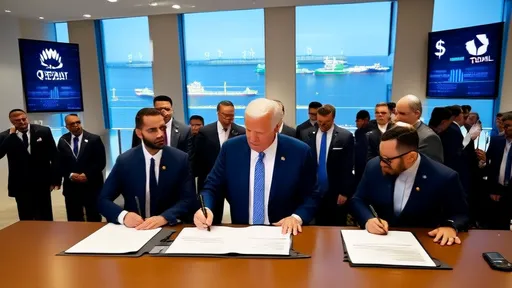
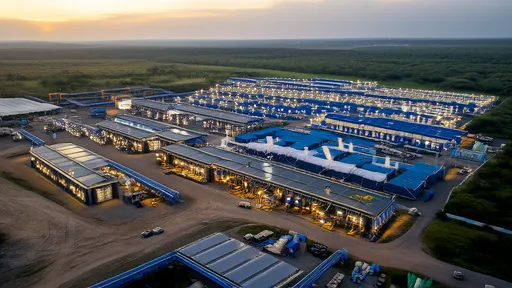
The atmosphere at the Ras Markaz area was one of palpable anticipation as officials from the Duqm SEZ Authority and representatives from a consortium of Chinese firms gathered to formalize the agreements. The initial cohort is strategically diverse, comprising companies specializing in heavy industrial manufacturing, renewable energy technology, and advanced logistics solutions. Their collective investment, estimated to be in the high hundreds of millions of dollars, signals a profound vote of confidence in Duqm's potential to become a central hub for industrial and commercial activity in the wider Arabian Sea and Western Indian Ocean region.
The strategic significance of this development cannot be overstated. For Oman, a nation actively pursuing economic diversification under its Vision 2040 framework, the influx of Chinese investment and expertise is a powerful catalyst. Duqm, with its vast, undeveloped landmass and strategic location outside the Strait of Hormuz, is envisioned as the cornerstone of this post-oil future. The Chinese presence accelerates the development of critical infrastructure, from power grids and water desalination plants to port facilities and industrial parks, creating a multiplier effect that is expected to attract further investment from other global players.
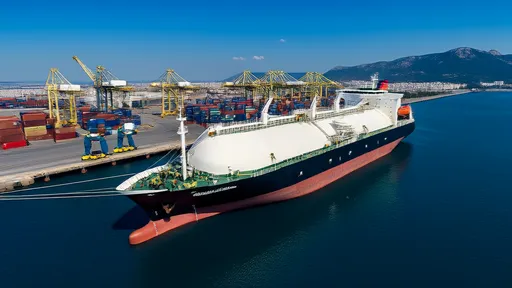
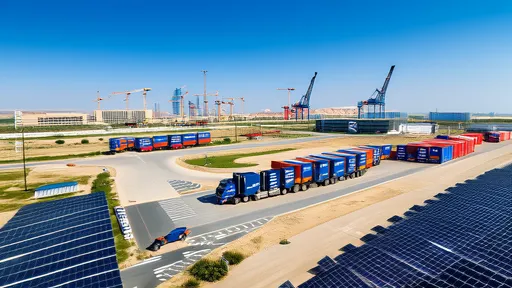
From the Chinese perspective, Duqm offers a strategic deep-water port and a sprawling industrial base that serves as a perfect gateway for its Belt and Road ambitions in the Middle East and East Africa. The location provides an ideal transshipment point, reducing shipping times and costs for goods moving between Asia, Africa, and Europe. Furthermore, it establishes a secure and stable logistical node for Chinese commerce, less reliant on the traditional chokepoints that have long defined regional trade routes. This is not just about establishing factories; it is about weaving Duqm into the very fabric of global supply chains that China is meticulously crafting.
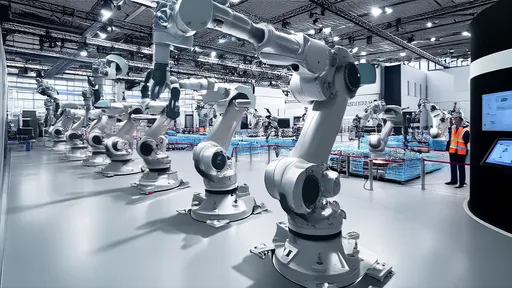
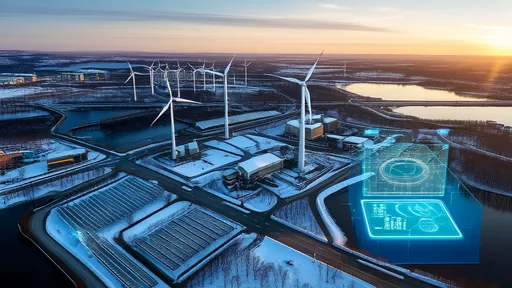
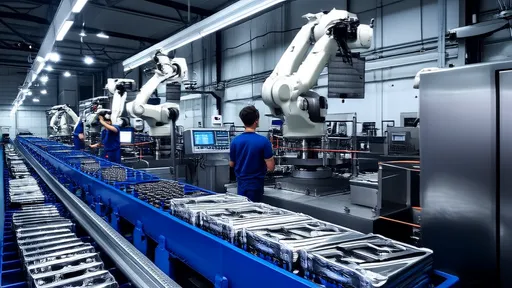
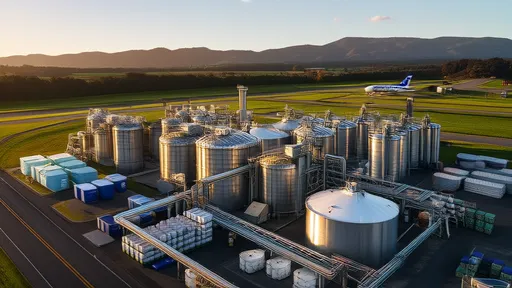
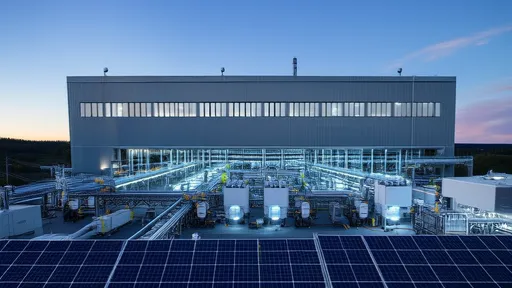
The initial projects breaking ground are a testament to this long-term, integrated vision. One of the flagship enterprises is a major vehicle assembly plant, which aims to produce both commercial and passenger vehicles for markets across the Middle East and North Africa. This facility is not a simple assembly line but is planned to incorporate significant local content, with ambitions to develop a localized automotive parts industry over time. Alongside this, a sophisticated manufacturing unit for solar panel components is being established, aligning with both Oman's goals for renewable energy integration and China's global leadership in the green technology sector.
Beyond the immediate industrial benefits, the socio-economic ripple effects are already beginning to manifest. The construction phases alone are creating thousands of jobs for Omani nationals, with a strong emphasis on skills transfer and vocational training programs established as a core component of the investment agreements. Local subcontractors are being engaged for ancillary services, from construction material supply to catering and security, injecting capital directly into the local Duqm economy. The SEZ authority has been working closely with the investors to ensure that employment quotas for Omani citizens are not just met but exceeded, fostering a sense of local ownership and partnership.
Of course, such a monumental shift does not occur without its challenges and nuanced considerations. Analysts are closely watching the balance of economic influence. While Omani officials have repeatedly affirmed their commitment to a multi-vector foreign policy and maintaining balanced relationships with all international partners, the scale of Chinese investment naturally raises questions about the long-term geopolitical alignment. The Omani government, however, has demonstrated adeptness in navigating complex international relations and appears to be leveraging Chinese capital as a tool for national development without ceding strategic autonomy.
Another point of discussion is the cultural and operational integration. The business practices, corporate culture, and work ethic of Chinese firms can differ significantly from those in Oman and the wider GCC region. To bridge this gap, both sides have instituted cross-cultural training programs and established joint management committees to facilitate smooth operations and resolve any friction that may arise. The goal is to create a synergistic environment where Omani regulatory knowledge and local market understanding blend seamlessly with Chinese industrial efficiency and global market access.
The development in Duqm is also triggering a recalibration of regional economic dynamics. Neighboring Gulf Cooperation Council (GCC) states are observing the progress in Duqm with keen interest. While some may see it as competition for foreign direct investment, others recognize the opportunity it presents for their own economies. The enhanced port and logistics capabilities in Duqm could serve as a complementary asset for land-locked industrial areas in other Gulf states, creating new avenues for regional cooperation and trade. The Duqm model, if successful, could become a blueprint for other strategic economic zones seeking to attract similar large-scale, transformative investments.
Looking ahead, the roadmap for Duqm is ambitious. The current phase of establishing anchor tenants is just the beginning. Plans are already in motion for a second wave of investments, focusing on downstream industries, petrochemicals, and maritime services. The vision includes a fully integrated city with residential areas, educational institutions, and healthcare facilities to support a growing population of workers and their families. The success of these first Chinese enterprises will be the most critical advertisement for attracting this next phase of development.
In conclusion, the arrival of the first Chinese companies in the Duqm SEZ is far more than a headline. It is the ignition of a long-fuse economic transformation with ramifications that will be felt across the Indian Ocean rim. It represents a strategic marriage of Omani vision and location with Chinese capital and industrial capacity. The journey ahead will require careful navigation of economic, cultural, and geopolitical currents. Yet, the foundational steps now being taken in the arid plains of Duqm have the potential to redraw the economic map of the region, creating a new hub of industry and commerce that stands as a lasting testament to 21st-century South-South cooperation and strategic foresight. The world is watching as the desert begins to bloom with the machinery of global ambition.
By /Nov 5, 2025
By /Nov 5, 2025
By /Nov 5, 2025
By /Nov 5, 2025
By /Nov 5, 2025
By /Nov 5, 2025

By /Nov 5, 2025
By /Nov 5, 2025
By /Nov 5, 2025
By /Nov 5, 2025

By /Nov 5, 2025
By /Nov 5, 2025
By /Nov 5, 2025
By /Nov 5, 2025
By /Nov 5, 2025
By /Nov 5, 2025

By /Nov 5, 2025
By /Nov 5, 2025

By /Nov 5, 2025