In a monumental move that reshapes global energy dynamics, QatarEnergy has sealed a historic $27 billion partnership with French energy giant TotalEnergies to develop the North Field East LNG project. The agreement, signed in Doha's glittering diplomatic quarter, represents the single largest investment in Qatar's liquefied natural gas history and signals a strategic shift in Europe's energy security landscape following geopolitical tensions that have disrupted traditional gas supplies.
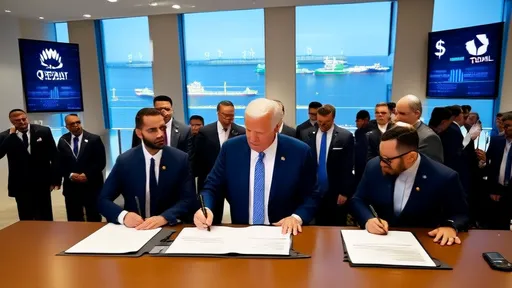
The signing ceremony brought together Qatar's Energy Minister Saad Sherida Al-Kaabi, who also serves as CEO of QatarEnergy, and TotalEnergies Chairman and CEO Patrick Pouyanné in a display of strengthened energy ties between the Gulf state and European nations. Al-Kaabi described the partnership as "a testament to the strong ties between Qatar and TotalEnergies" and emphasized that the project would "contribute significantly to meeting the growing global demand for cleaner energy."
Strategic Importance Amid European Energy Crisis
The timing of this massive investment cannot be overstated. Europe finds itself grappling with an unprecedented energy crisis as Russia's invasion of Ukraine has triggered supply disruptions and sent natural gas prices soaring to record levels. European nations have been scrambling to secure alternative LNG supplies, with Germany, France, and other countries racing to build new LNG import terminals to replace diminished Russian pipeline gas.
Patrick Pouyanné highlighted the strategic significance during the signing ceremony, noting that "this new partnership will strengthen Europe's energy security while supporting the global energy transition." The TotalEnergies chief emphasized that the project aligns with Europe's broader strategy to diversify its energy sources and reduce dependence on single suppliers.
Project Scale and Technical Specifications
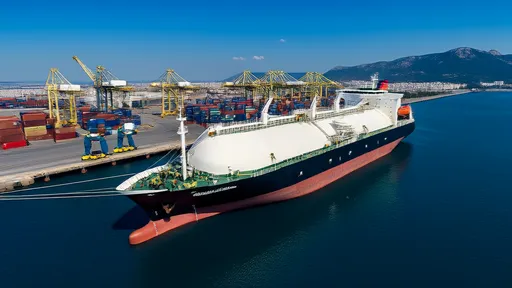
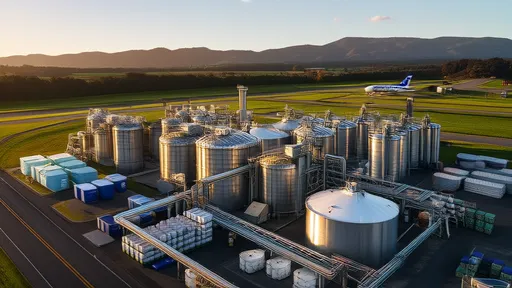
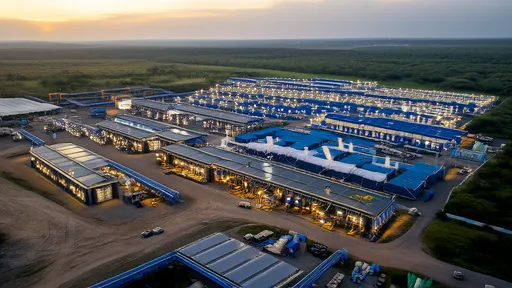
The North Field East project represents the first and largest phase of Qatar's ambitious North Field expansion plan, which aims to increase the nation's LNG production capacity from the current 77 million tons per annum to 110 million tons by 2026. The $27 billion investment will fund the construction of four mega LNG trains, each with a capacity of 8 million tons per year, making them among the largest liquefaction units ever built.
Industry analysts note that the project's scale is unprecedented in the LNG sector. The construction will involve thousands of workers and require advanced engineering solutions to handle the massive quantities of natural gas from the North Field, which represents the world's largest non-associated gas field shared between Qatar and Iran. The technical complexity includes implementing carbon capture and storage technologies to minimize the project's environmental footprint.
Economic Implications for Qatar
For Qatar, this investment solidifies its position as the world's leading LNG exporter and provides a substantial economic boost as the country continues to diversify its economy beyond hydrocarbon dependence. The project is expected to generate substantial revenue streams that will support Qatar's national development goals and contribute to funding major infrastructure projects, including those related to the 2022 FIFA World Cup legacy.
Energy Minister Al-Kaabi revealed that the project would increase Qatar's LNG production capacity by approximately 40%, ensuring the nation maintains its competitive edge in global energy markets. The expansion comes as other LNG producers, including the United States and Australia, ramp up their own export capacities, setting the stage for intensified competition in global LNG markets.
Environmental Considerations and Energy Transition
While the massive fossil fuel investment might seem counterintuitive amid global climate commitments, both companies emphasized the project's alignment with cleaner energy transitions. The partners have committed to implementing advanced technologies to reduce greenhouse gas emissions, including carbon capture systems and measures to minimize methane leakage throughout the supply chain.
TotalEnergies, which has been positioning itself as a leader in the energy transition, stressed that natural gas serves as a crucial bridge fuel as the world shifts toward renewable energy sources. The company noted that LNG produces significantly lower emissions than coal when used for power generation, making it an important component in helping nations reduce their carbon footprints while maintaining energy security.
Market Impact and Future Projections
The announcement has already sent ripples through global energy markets, with analysts revising long-term LNG demand forecasts upward. The project's scale suggests that Qatar anticipates strong continued demand for LNG well into the 2030s, contrary to some predictions that peak gas demand might arrive sooner due to accelerated renewable energy adoption.
Market observers note that the investment demonstrates Qatar's confidence in Asia's ongoing LNG demand growth, particularly from China and India, while also accounting for Europe's structural shift toward LNG imports. The first production from the North Field East project is expected to come online in 2026, with full capacity reached by 2027, positioning Qatar to capture market share during a period of anticipated supply tightness in the mid-to-late 2020s.
Geopolitical Dimensions
The partnership carries significant geopolitical weight, strengthening ties between Qatar and France at a time when European nations are reassessing their Middle East relationships. The deal follows several high-level diplomatic exchanges between Qatari and French officials and comes as Europe seeks reliable energy partners in the Gulf region.
Energy analysts suggest that the agreement could pave the way for broader cooperation between Qatar and European nations across multiple sectors, including defense, technology, and cultural exchange. The long-term nature of LNG contracts—typically spanning 20 years or more—means this partnership will likely endure through multiple political cycles and economic fluctuations.
Competitive Landscape and Industry Response
The scale of the QatarEnergy-TotalEnergies partnership has prompted reactions from other major energy players. Rival LNG producers are now reassessing their own expansion plans, while European utilities are likely to seek long-term supply agreements with the Qatari venture to secure stable future deliveries.
Industry insiders report that other international energy companies remain in discussions with QatarEnergy for participation in additional phases of the North Field expansion. The Qatari state-owned company has previously indicated it would partner with international players to share both risks and expertise in developing the massive gas field.
Local Economic Benefits and Workforce Development
Beyond the global implications, the project promises substantial local economic benefits. QatarEnergy estimates that the North Field expansion will create thousands of jobs and provide opportunities for Qatari businesses across the supply chain. The company has emphasized its commitment to local content development, with programs designed to enhance the capabilities of Qatari contractors and suppliers.
The project also includes significant investment in developing national workforce capabilities, with training programs aimed at preparing Qatari engineers and technicians for roles in the country's expanding energy sector. This aligns with Qatar's broader vision of building a knowledge-based economy and reducing reliance on expatriate labor in technical positions.
Technological Innovation and Engineering Challenges
Developing the North Field East project presents substantial engineering challenges that will require innovative solutions. The project team must address technical issues related to gas extraction, processing, and liquefaction at unprecedented scale while maintaining safety standards and environmental compliance.
Industry sources indicate that the partners will deploy cutting-edge digital technologies, including artificial intelligence and advanced analytics, to optimize operations and maintenance. The project is expected to set new benchmarks for efficiency and reliability in LNG production, potentially influencing industry standards for future mega-projects.
Future Outlook and Expansion Potential
While the current agreement covers the North Field East development, Qatar has even larger ambitions. Plans are already advancing for the North Field South project, which would represent the next phase of expansion. Industry watchers anticipate that successful execution of the current project will bolster confidence in Qatar's ability to deliver additional capacity, potentially cementing its position as the world's premier LNG supplier for decades to come.
The partnership with TotalEnergies may serve as a template for future collaborations as Qatar continues to leverage its massive natural gas reserves. With global energy demand expected to continue growing—particularly in developing economies—Qatar's strategic investments in LNG infrastructure position the small Gulf nation as an increasingly influential player in global energy geopolitics.
As the world navigates the complex transition toward cleaner energy systems, the QatarEnergy-TotalEnergies partnership represents a significant bet on the continued importance of natural gas in the global energy mix. The project's success or failure will likely influence investment decisions across the energy sector and shape the trajectory of global LNG markets through the coming decade.
By /Nov 5, 2025
By /Nov 5, 2025
By /Nov 5, 2025
By /Nov 5, 2025
By /Nov 5, 2025
By /Nov 5, 2025

By /Nov 5, 2025
By /Nov 5, 2025
By /Nov 5, 2025
By /Nov 5, 2025

By /Nov 5, 2025
By /Nov 5, 2025
By /Nov 5, 2025
By /Nov 5, 2025
By /Nov 5, 2025
By /Nov 5, 2025

By /Nov 5, 2025
By /Nov 5, 2025

By /Nov 5, 2025