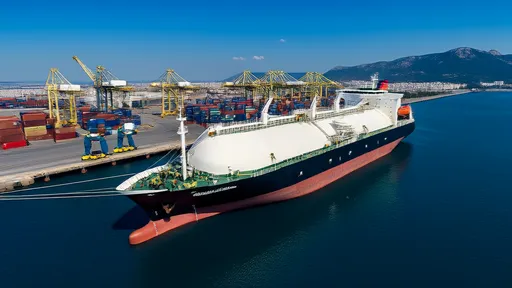
Greek shipping magnates are making waves in the maritime industry with a strategic pivot toward liquefied natural gas-powered cargo vessels, marking one of the most significant fleet modernization initiatives in recent maritime history. Against the backdrop of mounting environmental regulations and shifting global energy dynamics, Greece's legendary shipowners are deploying their characteristic long-term vision to future-proof their operations. This calculated transition represents more than mere compliance—it's a fundamental reimagining of maritime transportation that could redefine global shipping standards for decades to come.
The Mediterranean nation, which controls approximately 20% of the world's commercial fleet, has emerged as an unexpected champion of green shipping technology. Industry leaders including Angelicoussis Shipping Group, Capital Maritime, and Dynacom Tankers have collectively committed billions toward constructing new LNG-fueled vessels across multiple ship classes. These orders span container ships, bulk carriers, and tankers—the workhorses of global trade—signaling a comprehensive approach to decarbonization rather than piecemeal adoption.
What makes this transition particularly remarkable is its timing. While many international shipping companies have adopted a wait-and-see approach amid uncertain regulatory frameworks, Greek owners are charging ahead with unprecedented conviction. Industry analysts note that Greek-controlled companies now account for nearly 30% of all LNG-powered vessel orders globally, a staggering figure given the traditionally conservative nature of maritime investments. This bold positioning suggests that Athens-based decision-makers have identified a crucial window of opportunity in the evolving energy landscape.
The strategic calculus behind this massive capital allocation extends beyond environmental considerations. Shipping veterans recognize that vessels ordered today will still be operating in 2050—the year the International Maritime Organization has targeted for a 50% reduction in greenhouse gas emissions. By investing in LNG technology now, Greek owners are effectively future-proofing their assets against increasingly stringent environmental regulations while simultaneously securing favorable financing terms from banks increasingly wary of fossil fuel-intensive projects.
Technical specifications of these new vessels reveal the sophistication of this green transition. The LNG-powered newbuilds feature advanced dual-fuel engines capable of running on both traditional marine diesel and liquefied natural gas, providing operational flexibility during the industry's transitional period. More importantly, these vessels are designed with potential retrofitting in mind—their engine rooms and fuel systems can be adapted for future zero-carbon fuels like green ammonia or hydrogen as these technologies mature. This forward-thinking engineering demonstrates how Greek owners are building bridges to tomorrow's energy solutions while addressing today's environmental challenges.
Financing these ambitious projects requires novel approaches to capital formation. Traditional ship mortgages have been supplemented with green financing instruments, including sustainability-linked loans that offer preferential interest rates for meeting environmental targets. Several major Greek shipping companies have successfully issued green bonds specifically earmarked for their LNG vessel programs, attracting environmentally-conscious investors who traditionally avoided the shipping sector. This convergence of environmental and financial innovation creates a virtuous cycle that could accelerate the industry's green transition.
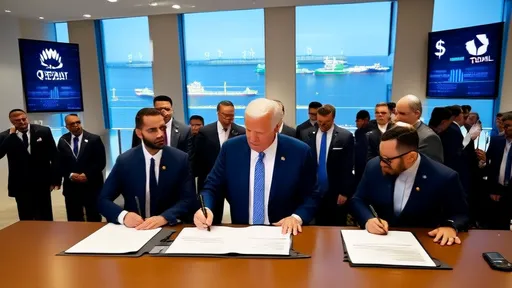
The infrastructure challenge presents both obstacle and opportunity. While LNG bunkering facilities remain concentrated in specific global hubs like Singapore and Rotterdam, Greek companies are actively participating in developing Mediterranean LNG infrastructure. Partnerships between shipping magnates and energy companies are emerging to establish new bunkering stations in Piraeus, Limassol, and other Eastern Mediterranean ports. This coordinated approach ensures that their substantial investments in LNG vessels will be supported by corresponding infrastructure development, creating regional clusters of green shipping excellence.
Crew training and operational expertise represent another critical dimension of this transition. Greek shipping companies have established comprehensive training programs in collaboration with maritime academies to equip seafarers with the specialized skills required to operate LNG-powered vessels safely. These initiatives include simulator training, specialized certification courses, and knowledge transfer programs leveraging expertise from the LNG carrier sector where Greek owners already maintain significant presence. This human capital investment ensures that the technological transformation is matched by operational competence.
The competitive implications of this fleet renewal cannot be overstated. As carbon pricing mechanisms and emissions trading schemes gradually encompass international shipping, vessels with lower carbon footprints will enjoy significant operational cost advantages. Greek owners positioning themselves with modern, efficient fleets stand to capture market share from competitors operating older, less environmentally-friendly vessels. This strategic foresight exemplifies the commercial acumen that has kept Greek shipping dynasties dominant through multiple industry cycles.
Market reception to these developments has been notably positive. Charterers increasingly prefer modern tonnage with superior environmental credentials, particularly major retail corporations and industrial conglomerates facing their own sustainability reporting requirements. Several prominent Greek-controlled LNG-powered vessels have secured premium charters from blue-chip companies willing to pay rate premiums for reduced carbon transportation. This commercial validation suggests that environmental performance is rapidly becoming a key differentiator in maritime commerce rather than merely a regulatory compliance issue.
Looking forward, industry observers anticipate that the Greek LNG vessel orders will trigger broader industry transformation. As the world's largest shipowning nation embraces alternative fuels, other maritime nations face increased pressure to follow suit. The scale of Greek investment provides crucial demand signals to shipyards, engine manufacturers, and fuel suppliers, encouraging further innovation and cost reduction in green shipping technologies. This leadership role marks a significant evolution for Greek shipping—from industry followers to sustainability pioneers.
The transition extends beyond corporate strategy to national economic policy. The Greek government has recognized the opportunity to position the country as a hub for maritime sustainability innovation. Tax incentives for green vessel investments, support for research and development in marine alternative fuels, and diplomatic efforts to standardize international regulations all form part of a coordinated national strategy. This alignment between private sector initiative and public policy creates powerful synergies that could cement Greece's maritime leadership for the coming decades.
Nevertheless, challenges remain on the horizon. The long-term environmental credentials of LNG face scrutiny from some environmental groups who argue that methane slip—the unintended release of unburned methane—undermines its climate benefits. Greek technical departments are actively working with engine manufacturers to address these concerns through improved combustion technologies and operational procedures. This responsiveness to emerging environmental science demonstrates the industry's commitment to genuine sustainability rather than mere regulatory box-ticking.
The Greek shipping community's embrace of LNG represents a calculated evolution rather than a revolutionary break from tradition. By building on existing expertise in gas transportation while gradually integrating newer technologies, shipowners are navigating the energy transition with characteristic pragmatism. This measured approach balances environmental responsibility with commercial viability, ensuring that Greece's maritime dominance continues through the industry's most significant transformation since the shift from sail to steam.
As the first of these LNG-powered vessels begin entering service, all eyes will be on their operational performance and environmental impact. Success could establish a template for global shipping's decarbonization journey while reinforcing Greek maritime leadership. In an industry often resistant to change, the bold vision demonstrated by Greek shipowners provides a compelling case study in strategic transformation—proving that environmental stewardship and commercial success need not be mutually exclusive in the complex world of international shipping.

By /Nov 5, 2025
By /Nov 5, 2025
By /Nov 5, 2025

By /Nov 5, 2025
By /Nov 5, 2025

By /Nov 5, 2025

By /Nov 5, 2025
By /Nov 5, 2025

By /Nov 5, 2025

By /Nov 5, 2025

By /Nov 5, 2025
By /Nov 5, 2025
By /Nov 5, 2025

By /Nov 5, 2025
By /Nov 5, 2025

By /Nov 5, 2025

By /Nov 5, 2025
By /Nov 5, 2025

By /Nov 5, 2025